
Boating in the world now is not just simple motor-powered and simple navigation. Contemporary boats are highly dependent on powerful engines, electronic devices, safety gadgets, and other auxiliary equipment. The main component in all these systems is a good source of power- the battery. Lithium-cranking batteries have become a favorite among boat owners over the years and are slowly replacing old-fashioned lead-acid batteries. Their rising popularity is not by chance; it is the outcome of excellent performance, efficiency, and durability in harsh marine conditions.
What Is a Lithium Cranking Battery?
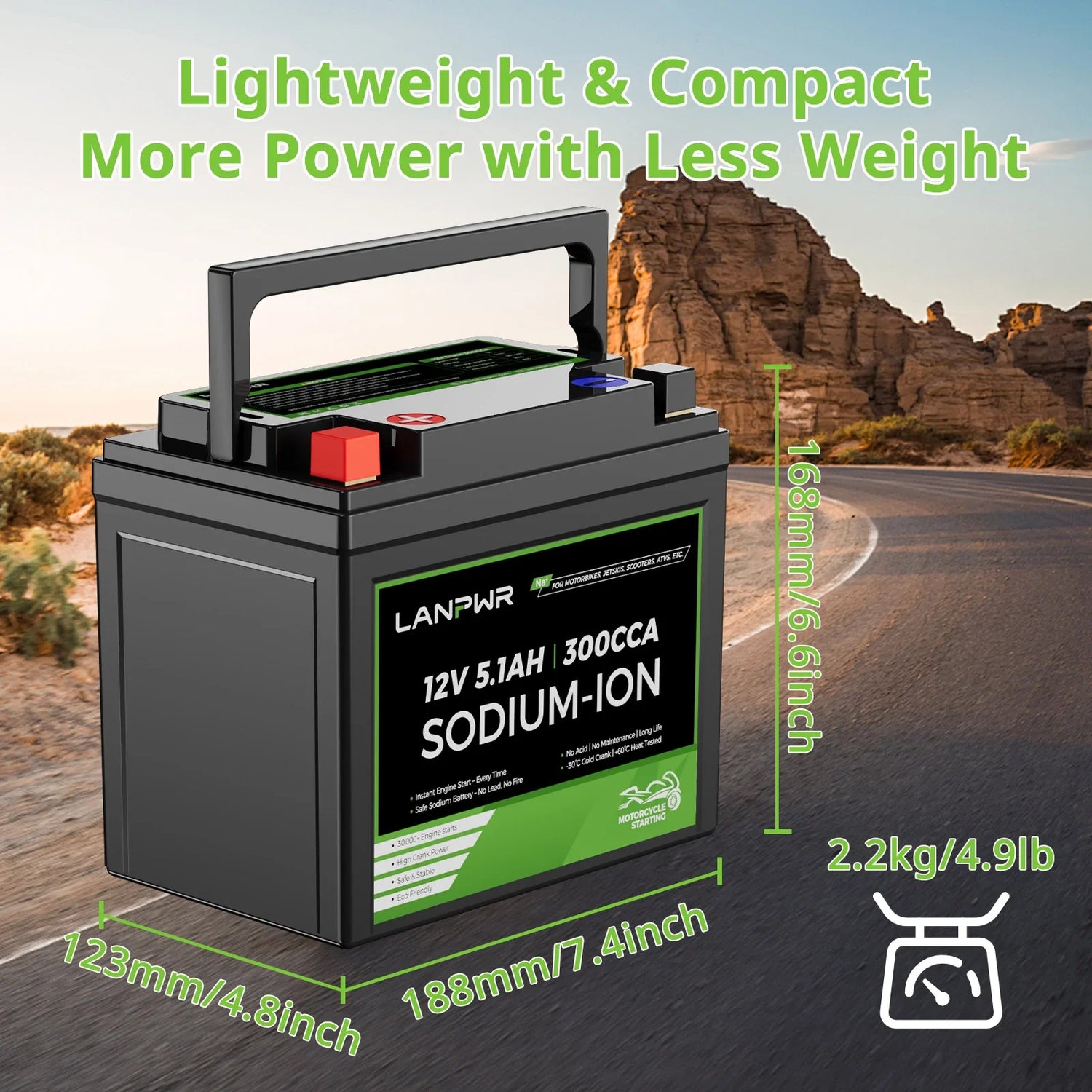
A lithium cranking battery for boat is a high-performance battery designed specifically to deliver instant bursts of power required to start boat engines. Lithium Iron Phosphate (LiFePO4) is the most common lithium battery chemistry and is reputed to be stable, safe, and long-lasting. In contrast to the deep-cycle battery, which delivers power gradually over time, a cranking battery focuses on delivering a high initial current to rotate the engine as quickly and reliably as possible.
Why Boat Engines Demand High-Performance Batteries
Outboard and inboard motors used on boats need a powerful burst of power to start. Moreover, there are specific difficulties with marine conditions:
- Continuous vibration from waves and engine movement
- Contact to moisture, humidity, and saltwater
- Limited ventilation in battery compartments
- Temperature fluctuations
- Dependence on electronics for navigation and safety
Lithium-cranking batteries have been designed to operate reliably under such conditions.
Key Reasons Lithium Cranking Batteries Are Preferred for Boats
High Cranking Power and Instant Starts
One of the most important reasons lithium cranking batteries are used in boats is their ability to deliver instant high power. When you turn the key, lithium batteries provide immediate voltage without delay.
This ensures:
- Faster and smoother engine starts
- Reliable ignition even after long idle periods
- Reduced strain on the starter motor
Unlike lead-acid batteries, lithium batteries do not lose voltage during cranking, ensuring consistent performance every time.
Lightweight Design Enhances Boat Efficiency
Lithium cranking batteries are significantly lighter than traditional marine batteries. This weight reduction improves overall boat performance in several ways:
- Better fuel efficiency
- Improved speed and handling
- Easier battery installation and replacement
- Reduced load on the hull
For fishing boats, bass boats, and high-performance vessels, weight savings can make a noticeable difference on the water.
Longer Lifespan Than Traditional Batteries
One of the biggest advantages of lithium batteries is their exceptionally long lifespan. While lead-acid batteries often fail after a few years, lithium cranking batteries can last a decade or more with proper care.
This long life means:
- Fewer replacements
- Lower long-term cost
- Less downtime due to battery failure
For boat owners who use their vessels seasonally or store them for extended periods, lithium batteries maintain their health far better than conventional options.
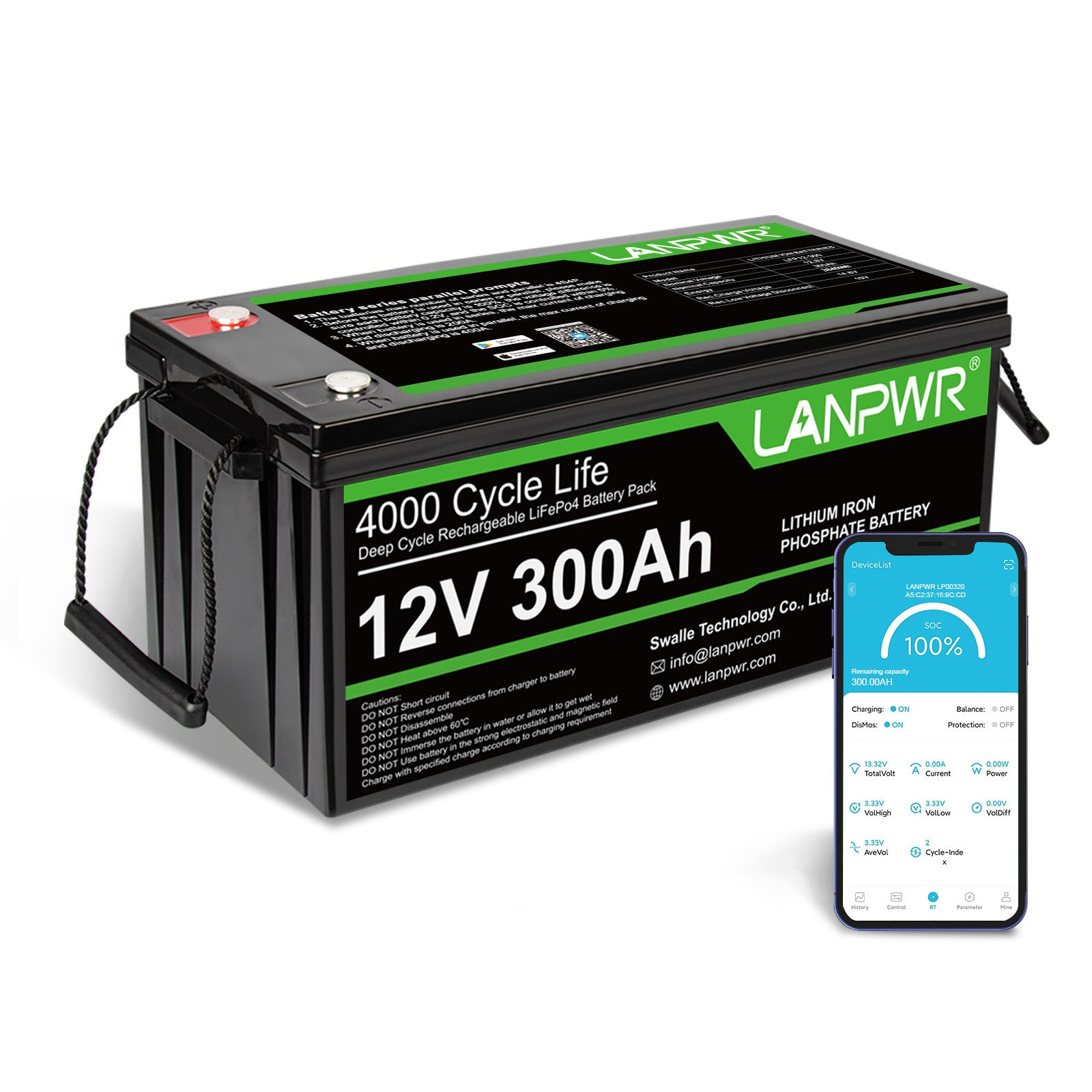
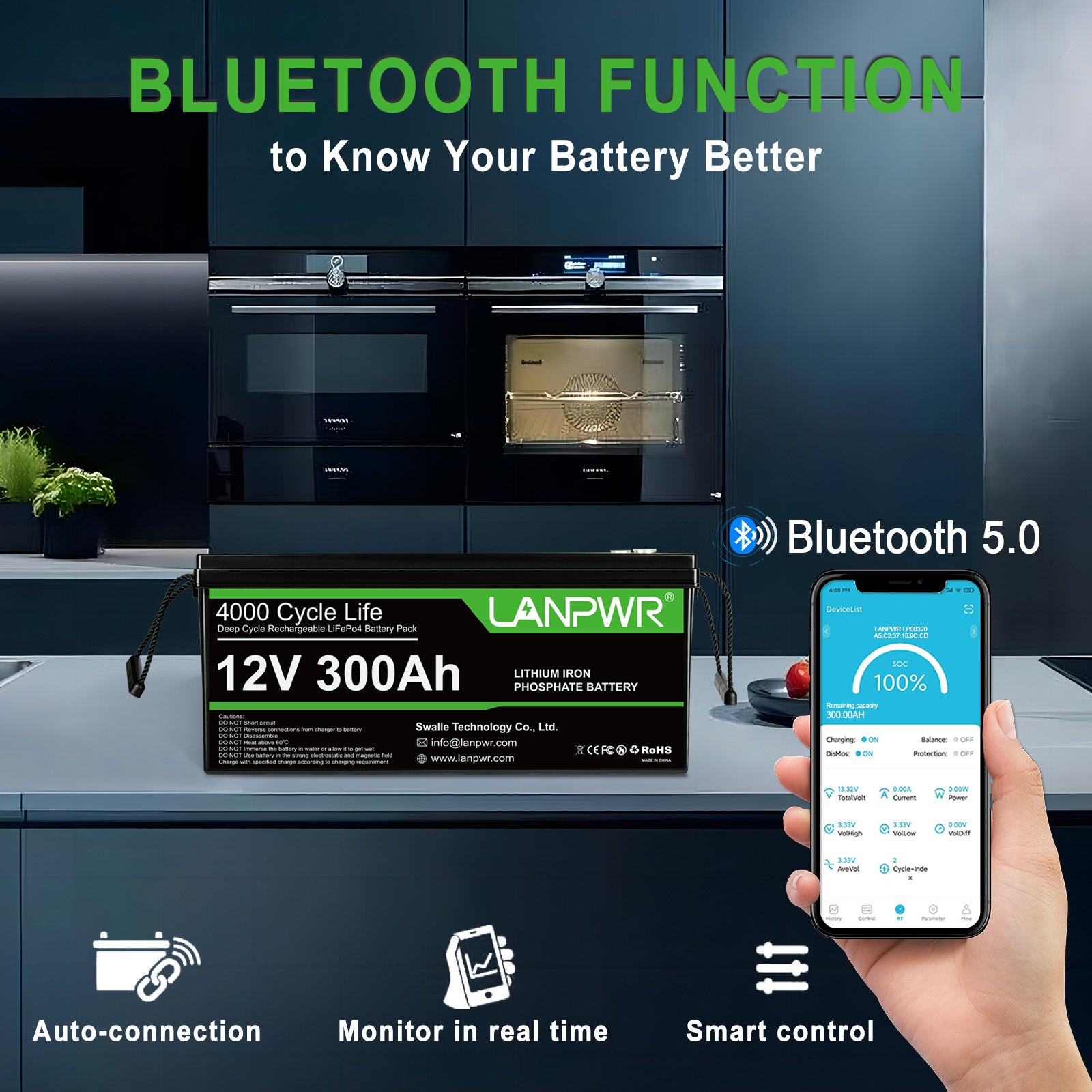
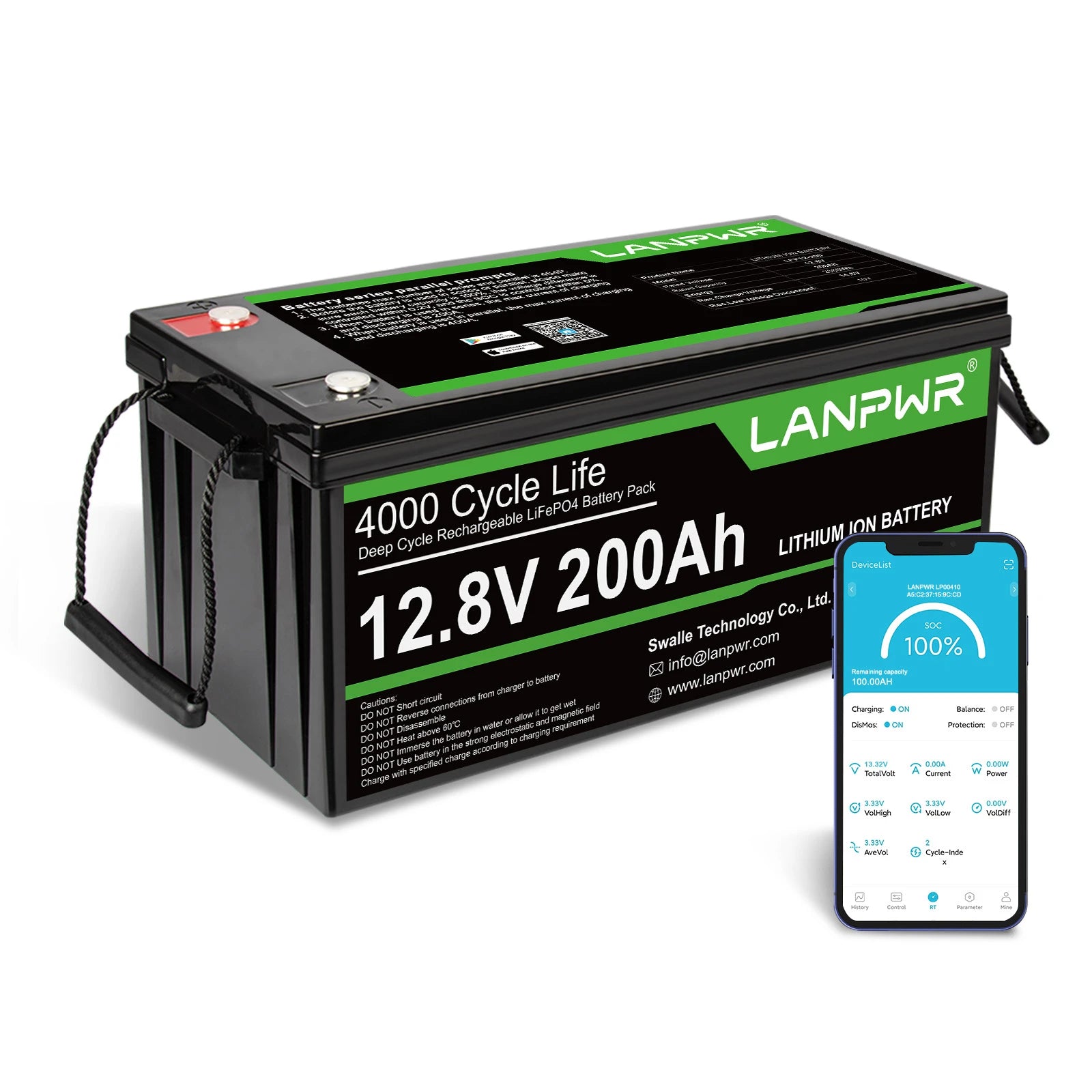
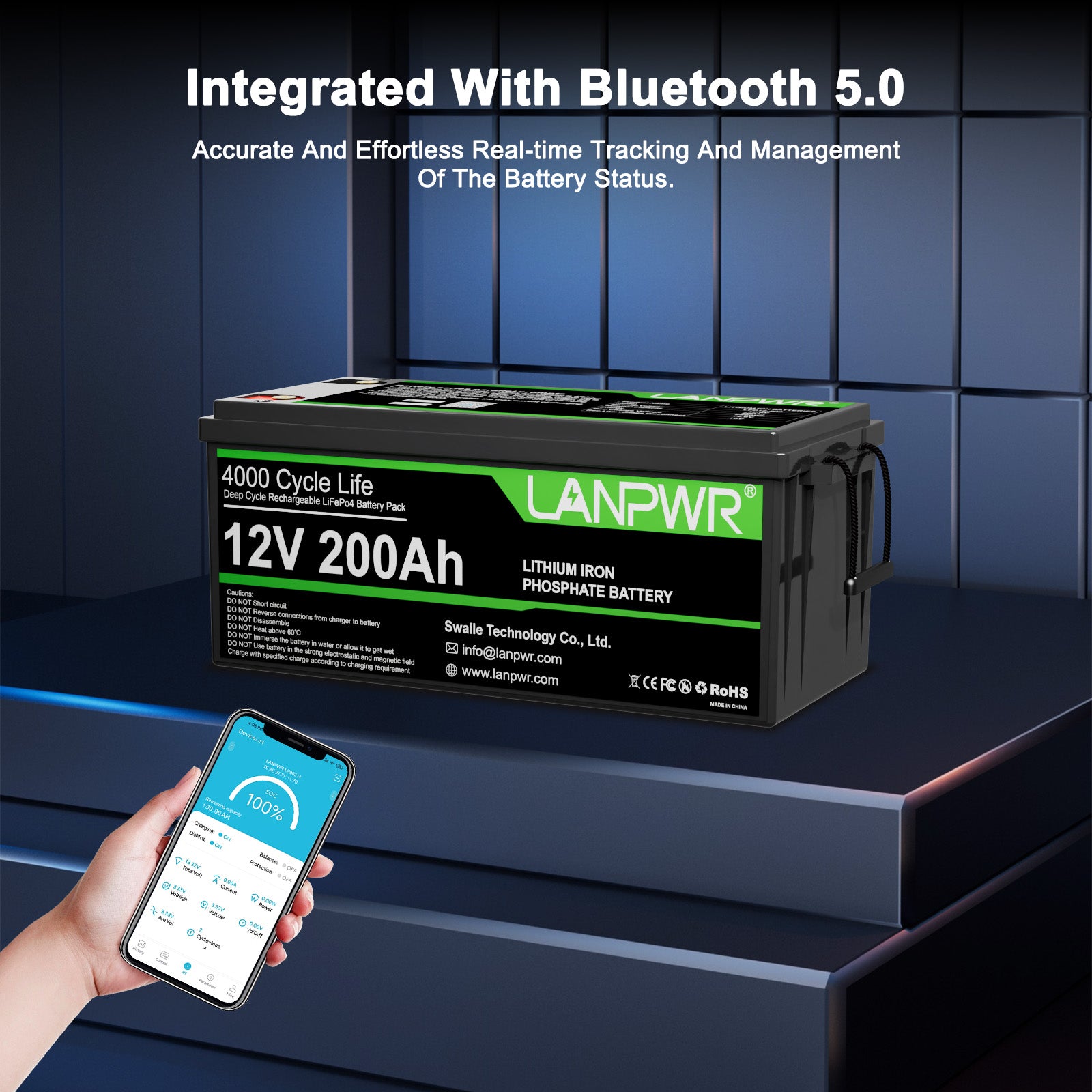
Built-In Battery Management System (BMS)
Lithium cranking batteries come with an integrated Battery Management System, which continuously monitors the battery’s health and performance. The BMS protects against:
- Overcharging
- Deep discharge
- Short circuits
- Overheating
- Voltage imbalance
This intelligent system ensures safety, reliability, and optimal performance—especially important in a marine environment where electrical failures can be dangerous.
Maintenance-Free Operation
Traditional marine batteries require regular maintenance, including water refilling, terminal cleaning, and corrosion checks. Lithium cranking batteries eliminate these hassles entirely.
They are:
- Completely sealed
- Spill-proof
- Gas-free
- Corrosion-resistant
This makes them ideal for boat owners who want a worry-free power solution.
Faster Charging and Better Energy Efficiency
Lifepo4 marine battery charge much faster than lead-acid batteries. They can accept high current without damage, allowing them to recharge efficiently from:
- Boat alternators
- Shore power chargers
- Solar panels
Faster charging ensures your battery is ready even after short trips or frequent engine starts.
Consistent Power for Marine Electronics
Modern boats rely heavily on electronics such as GPS systems, fish finders, sonar, radios, and digital dashboards. Lithium batteries provide stable voltage, ensuring these systems operate smoothly without interruptions.
Unlike lead-acid batteries, lithium does not experience voltage sag, which can cause electronics to reset or malfunction during engine start.
Superior Performance in Harsh Marine Conditions
Lithium cranking batteries are designed to withstand harsh marine environments. They are resistant to:
- Vibration from rough water
- High humidity and salt exposure
- Extreme temperature changes
Their solid internal structure makes them more durable and reliable than traditional batteries in demanding boating conditions.
Compact Size Saves Space
Lithium batteries are smaller and more compact than lead-acid batteries with similar power output. This is especially beneficial for boats with limited battery compartments, enabling better space utilization and greater installation flexibility.
Environmentally Friendly Power Solution
Lithium Iron Phosphate batteries are considered more eco-friendly than lead-acid batteries because they contain no toxic lead or corrosive acid. They are also more energy-efficient and recyclable, making them a cleaner choice for environmentally conscious boat owners.
Long-Term Cost Effectiveness
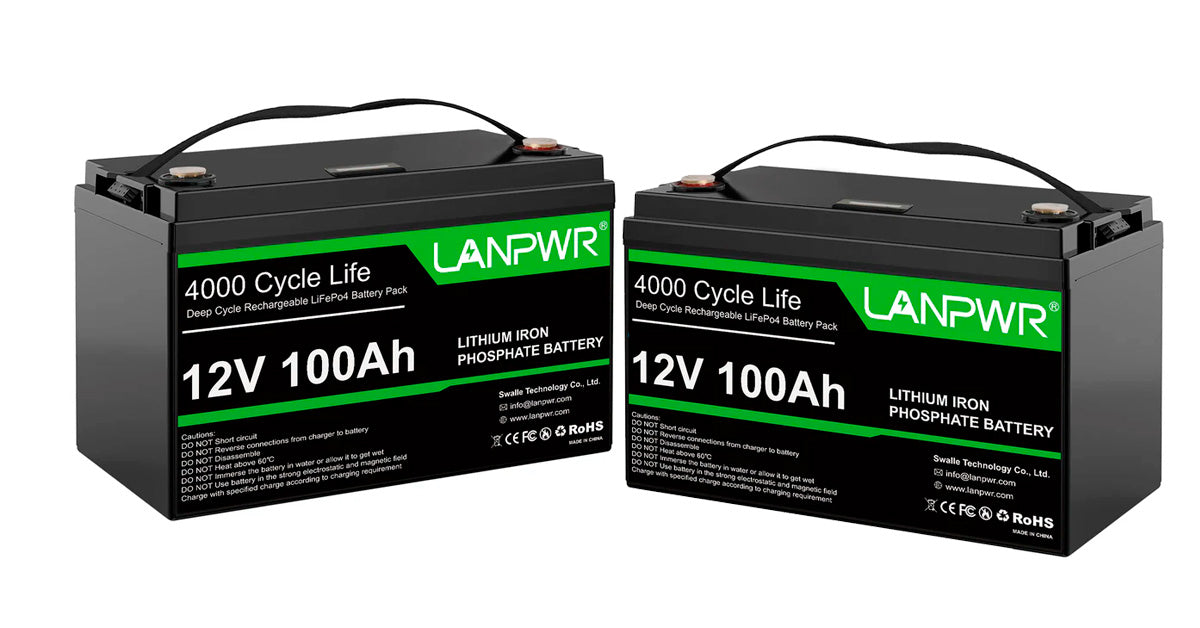
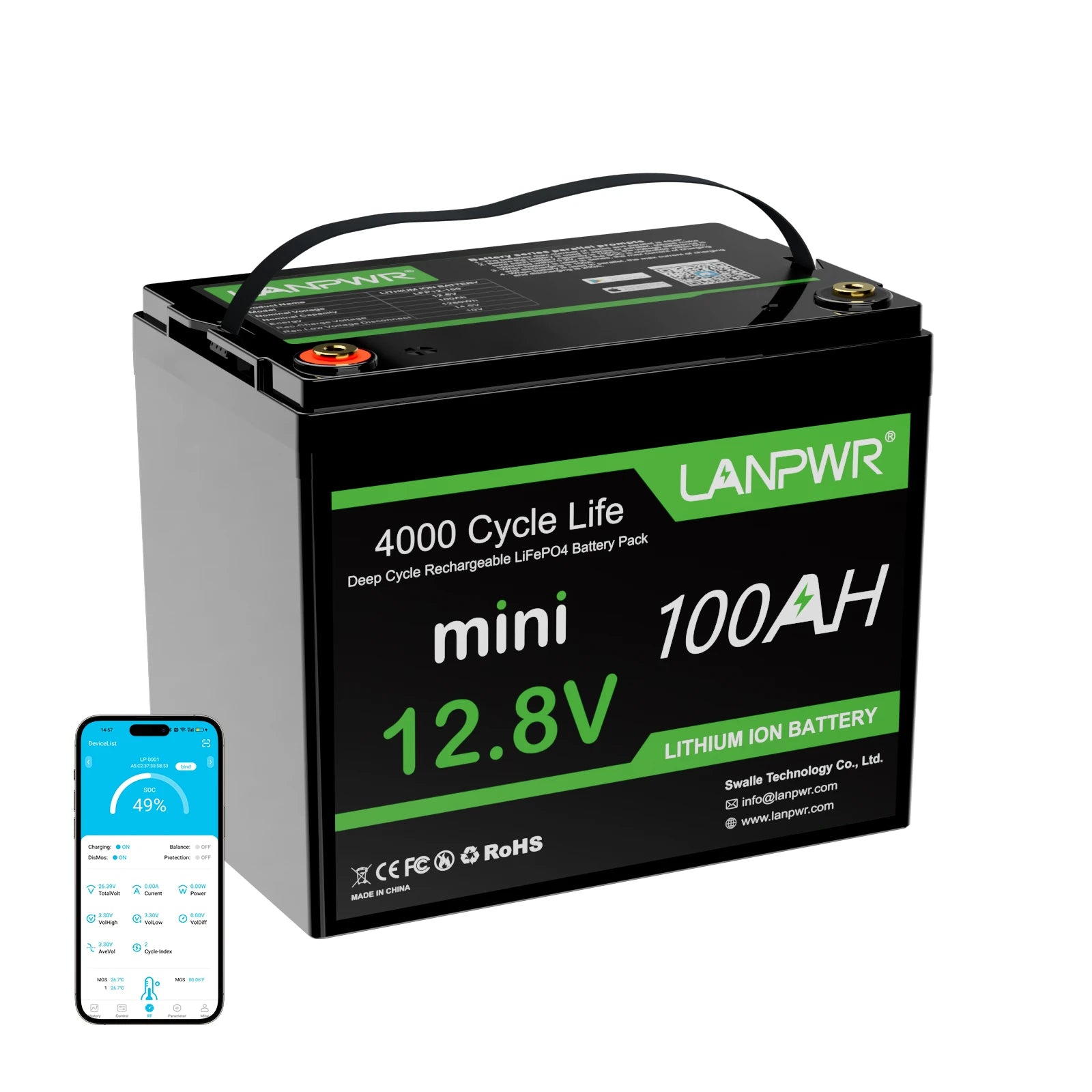
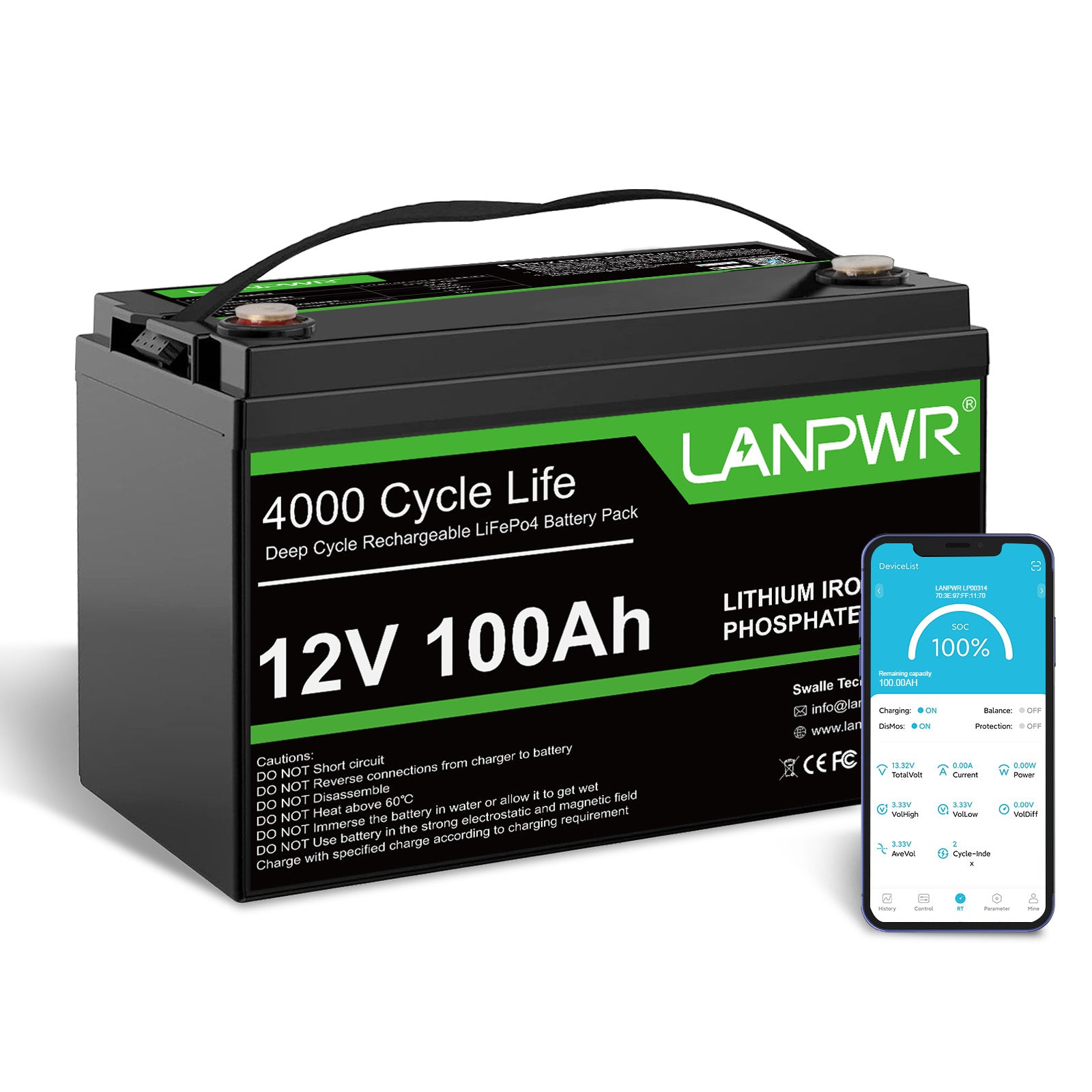
Although lithium cranking lifepo4 100ah 12v have a higher upfront cost, their long lifespan, minimal maintenance, and superior efficiency make them more economical over time. Boat owners often save money by avoiding frequent replacements and repairs associated with traditional batteries.
Common Marine Applications of Lithium Cranking Batteries
Lithium cranking batteries are widely used in:
- Outboard motor boats
- Inboard and sterndrive engines
- Fishing and bass boats
- Yachts and sailboats
- Commercial marine vessels
- Personal watercraft
Their versatility makes them suitable for both recreational and professional marine use.
Future of Lithium Cranking Batteries
The future of lithium cranking batteries in boating looks extremely promising as marine technology continues to advance. As boats become increasingly dependent on electronic navigation systems, digital controls, and efficient engines, demand for stable, high-performance power sources is growing. Lithium cranking batteries meet these evolving needs by offering reliability, lightweight design, and long service life. As costs decline and awareness grows, more boat owners and manufacturers are expected to adopt lithium batteries as a standard power solution, making them an integral part of modern, future-ready marine systems.
Why Boat Manufacturers Are Shifting Toward Lithium Cranking Batteries
Boat manufacturers are increasingly shifting toward lithium cranking batteries to meet rising expectations for performance, efficiency, and reliability. Modern engines and onboard electronics require consistent power delivery without voltage drops, which lithium batteries provide effortlessly. Their lightweight construction helps manufacturers design faster, more fuel-efficient boats while optimizing space in compact engine compartments. As safety standards and energy technologies improve, lithium cranking batteries are becoming a preferred choice in new boat designs across the marine industry.
Conclusion
Lithium cranking batteries are used for boats because they deliver powerful engine starts, reduced weight, long lifespan, maintenance-free operation, and superior reliability in harsh marine environments. As boating technology continues to evolve, lithium batteries are quickly becoming the standard choice for modern marine power systems.
FAQs
What is the main purpose of a lithium cranking battery in a boat?
Its primary purpose is to provide high starting power for the engine while also supporting essential onboard electronics.
Can lithium cranking batteries replace lead-acid marine batteries?
Yes, most are designed as drop-in replacements, as long as the voltage and cranking specifications match the engine's requirements.
Are lithium cranking batteries safe for boats?
Yes. With a built-in Battery Management System, they offer advanced protection and are extremely safe for marine use.
Do lithium cranking batteries work with boat alternators?
Most modern lithium batteries are compatible with alternators, but checking the manufacturer's guidelines is recommended.
How long does a lithium marine cranking battery last?
Typically between 8 and 12 years, depending on usage, charging habits, and environmental conditions.
Do lithium cranking batteries require special chargers?
Some models require lithium-compatible marine chargers for optimal performance and safety.
Can lithium batteries handle saltwater environments?
Yes. They are sealed and corrosion-resistant, making them ideal for saltwater boats.
What happens if a lithium battery is fully discharged?
The Battery Management System shuts the battery down to prevent damage. Once properly recharged, it resumes normal operation.
Are lithium cranking batteries suitable for large engines?
Yes. High-quality lithium batteries provide sufficient cranking power for large outboard and inboard engines.



Leave a comment
This site is protected by hCaptcha and the hCaptcha Privacy Policy and Terms of Service apply.